
Before the hard conversation
One of your leaders
is dreading a conversation right now, Give them this first.
The longer they carry that dread, the worse it lands and the more it costs you. Three steps. Free. Works immediately.
The exact questions Farrah asks before every hard conversation
Trusted By




The gap nobody fills
Your leaders
are not struggling with performance. They are struggling with this.
The layoff that needs to be communicated before end of week. The reorg announcement that will land differently for every team. The performance conversation a manager has been avoiding for three months. The feedback a colleague genuinely needs to hear but nobody has said out loud yet.
And underneath all of that, the burnout. High-performing leaders put everything into their work. The perfectionism, the people pleasing, the relentless pressure to deliver. They are not struggling because they are not good enough. They are struggling because nobody ever gave them the process to carry that load without it breaking them.


Who comes to Farrah
Your leaders
who find me are navigating something real.
Not a training exercise, Not a hypothetical, A layoff on Monday. A reorganization that needs trust before it can succeed. A leadership team struggling to align. A conversation that's been avoided for weeks. I work with real situations, not hypotheticals.

HR & People Leaders
CHROs investing in their Leadership Teams
You need results that outlast the engagement and someone your senior leaders will actually respect.

Senior Leaders
VPs navigating a reorg, layoff,or strategic shift
Your team needs to hear you clearly when the stakes are highest.

C-Suite
CEOs and COOs building a feedback culture
You want honest feedback that actually changes behaviour, not the watered-down version.

People Leaders
HR leaders who carry every hard message
You sit in the middle of every difficult conversation. You need tools that make them more human.

New Executives
Leaders stepping into a bigger role
The technical skills got you here. The playbook for leading people is completely different.

Individual Leaders
Preparing for one specific Hard conversation
You have been avoiding it. My framework gets you ready to walk in prepared instead of dreading it.
Services
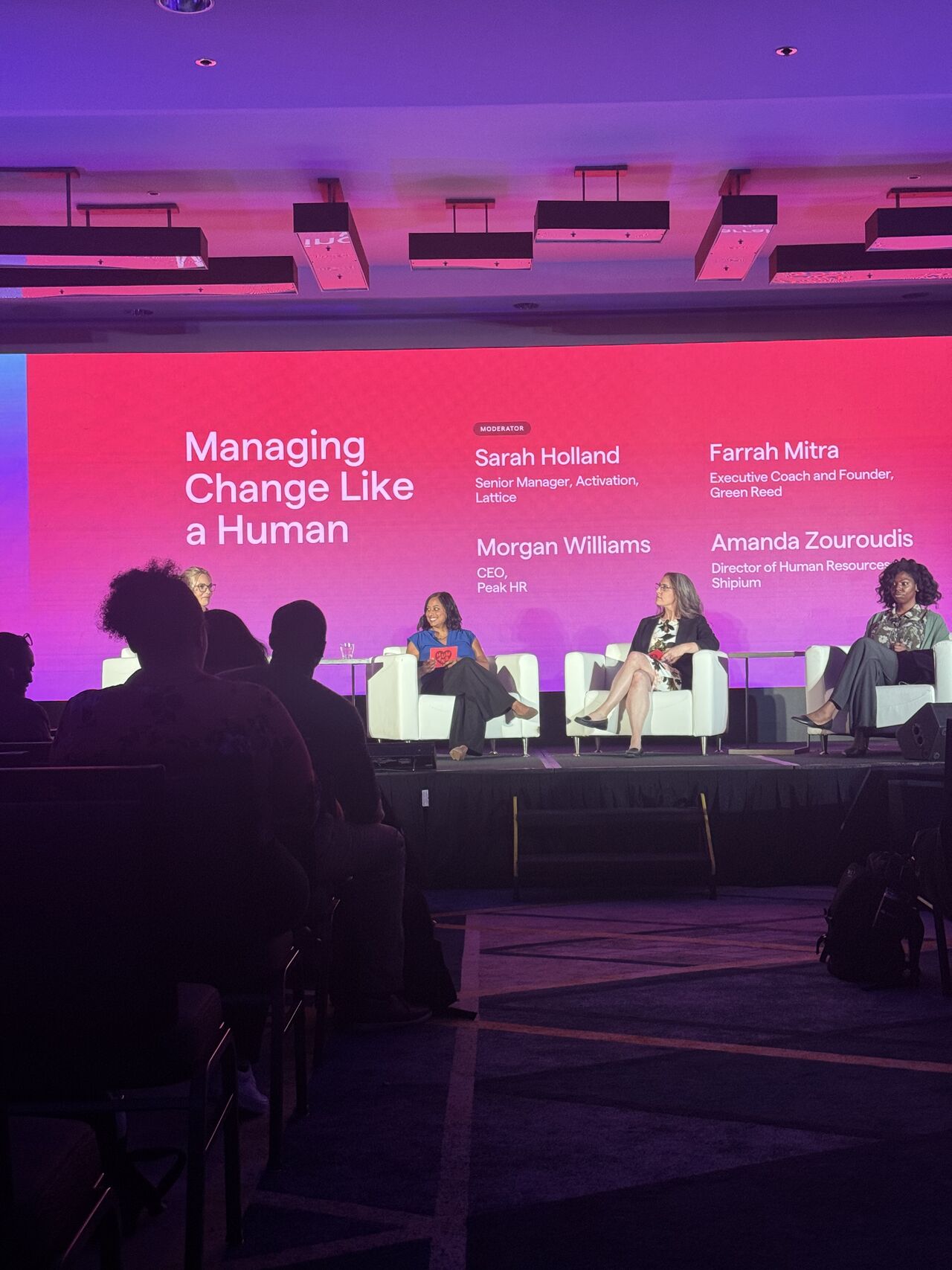
Three Ways To Work With Farrah.
About Farrah
I am not coaching you from a text book. I have been exactly where your leaders are.
.jpg)
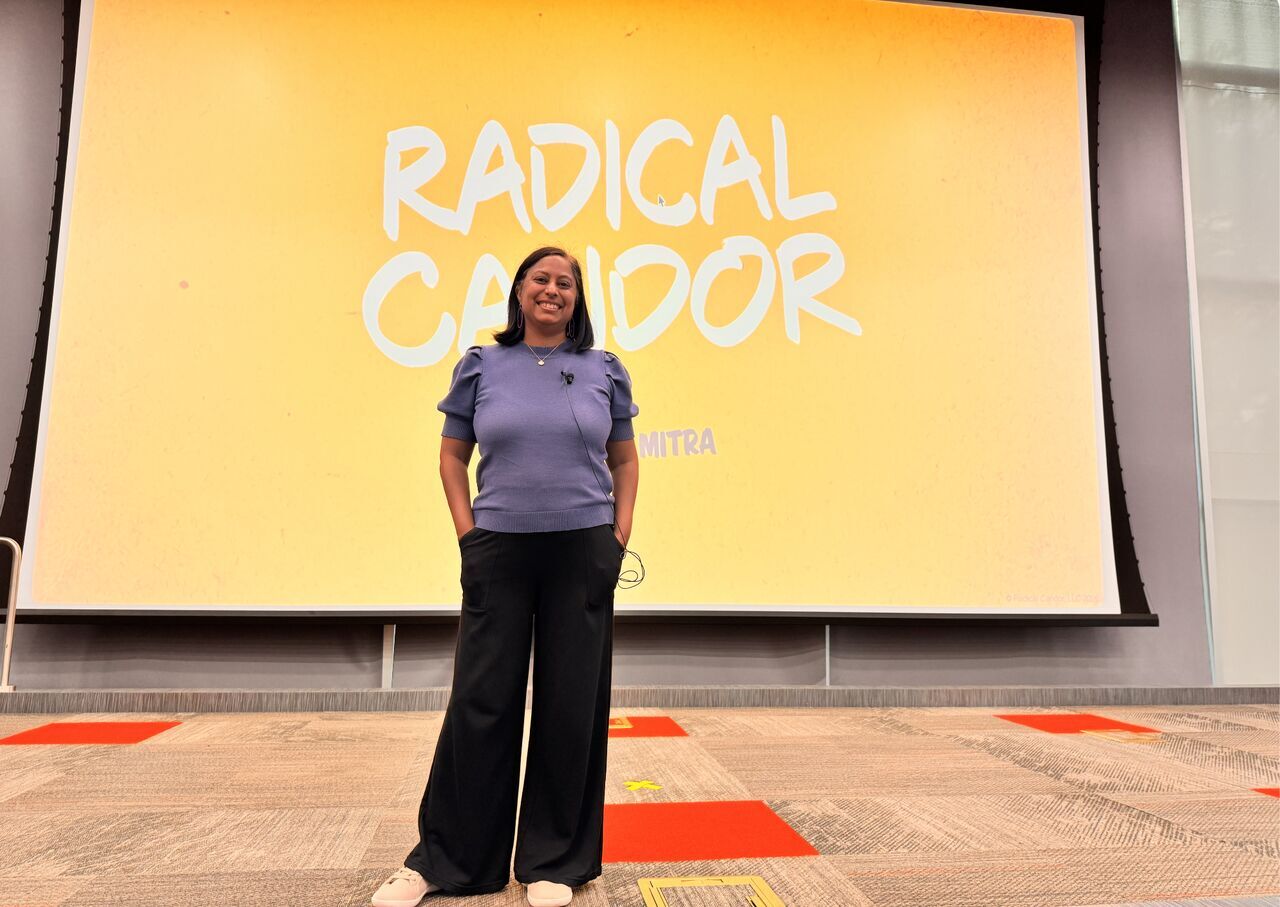
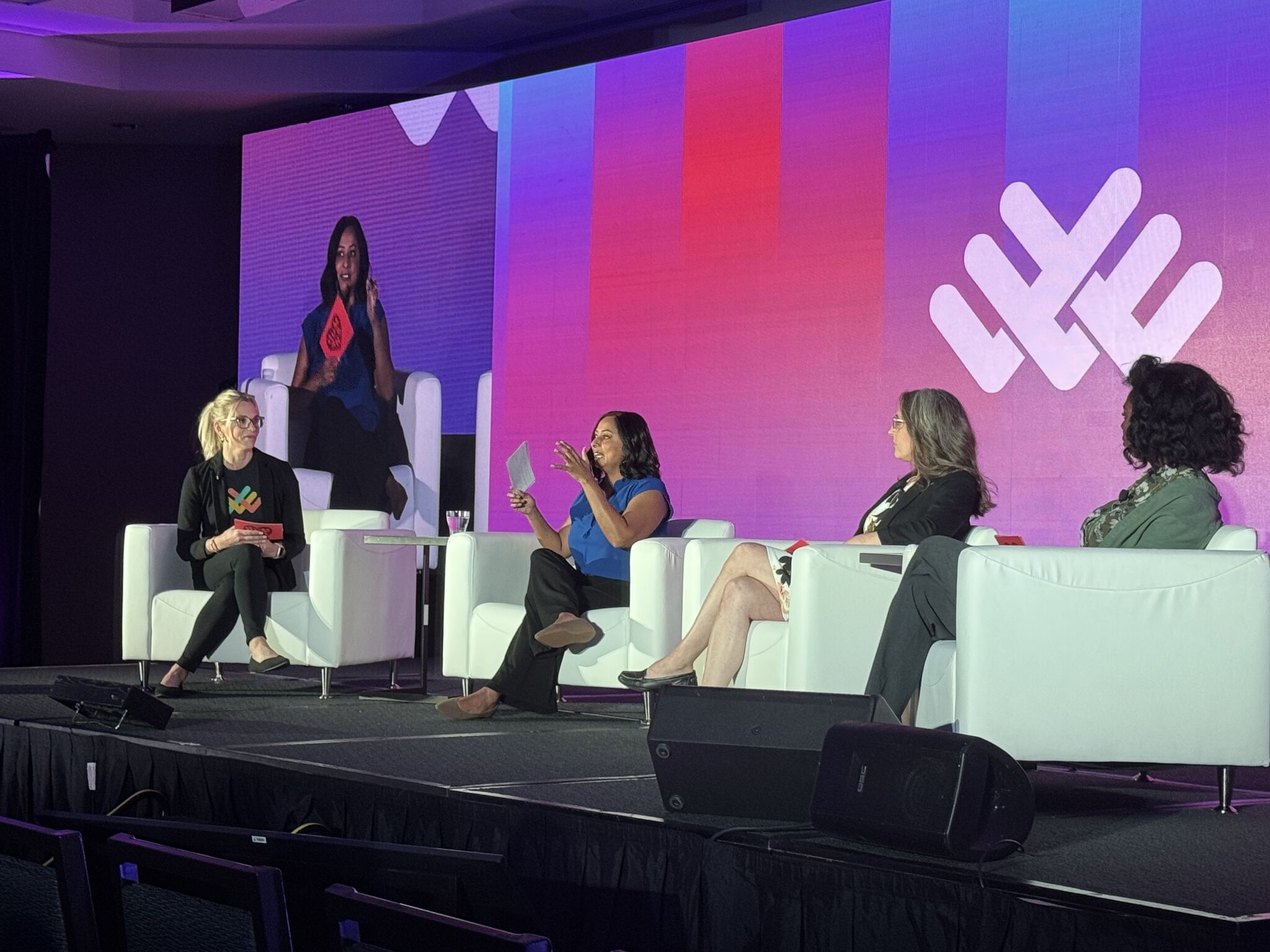
Most executive coaches understand leadership in theory. I understand it because I lived it. I am an executive coach and former HR executive and Bain strategy consultant who has spent more than two decades helping organizations navigate leadership, change, and growth. After leading People & Culture at hyper-growth technology companies, I started my own practice, Green Reed, to help organizations develop leaders who can communicate with clarity, build trust, and lead confidently through complexity.
I do not ask questions from the outside. I work from the inside with warmth and directness. Combining executive business experience, coaching, and practical frameworks, I bring a real-world perspective to the moments that matter most, helping leaders build capabilities they continue to rely on long after the engagement ends.
I have been told more than once that I make the hardest work feel genuinely manageable.





12+
Years at Bain and in executive People leadership
1 of 12
Certified Radical Candor facilitators worldwide
200+
Workshops delivered across Fortune 50 to nonprofits
4.8/5
Average likelihood to recommend across 355 leaders

”Farrah leads with both candor and a deep sense of connection with people. She's smart, she's emotionally intelligent, she's funny, she relates to people.”
CEO, Texas
Public Charter School Association
Framework
My framework for
every hard conversation your leaders have been putting off.
.avif)
Not ready to book yet? Give this to your leaders before their next hard conversation. It is free and it works immediately.
Throughout my coaching work, I kept seeing the same gap. No one is really taught how to have hard conversations with empathy and clarity at the same time. So I built a framework to fill that gap. Three steps. Practical. Free. Used by HR leaders and CHROs across Fortune 10 companies, startups, and nonprofits.
Build the right language
Connect what you say to discrete facts and intended outcomes. Turns a rehearsed speech into a confident, honest conversation the other person can actually hear.
Get into the right frame of mind
Clear the internal barrier before the conversation begins. Most leaders skip this step. It is why the conversation still goes wrong even when they have prepared the words.
Deliver with clarity and care
Walk in prepared, not just rehearsed. The relationship stays intact. The message lands. And you leave the room knowing you handled it well.
Before You Book
Your leaders
are not struggling with performance. They are struggling with this.
How do I know this will actually work for my leaders, not just sound good in a session?
My clients leave with clear frameworks and measurable results not just insight. The average likelihood to recommend my work is 4.8 out of 5 across 355 participants, with 95% giving a 5 or 4.More importantly, leaders report using the frameworks independently after coaching ends. One client's team came to her far fewer times for support after the programme because her leaders had the tools to handle hard conversations themselves. That is the difference between coaching that feels good and coaching that changes behaviour.
How do I help a high-performing leader who is burning out?
Burnout in high performers is almost always driven by perfectionism, people pleasing, and the absence of clear internal boundaries not by working too hard.I work at the root of those patterns, not the symptoms. Most leaders who come to me have already tried time management and workload reduction. What they have not tried is resetting the underlying story that keeps the pressure building. That is where the change actually happens and it is sustained, not temporary.
How do I tell my team about layoffs without destroying trust?
Use the Communicating Change Framework: prepare three things before the conversation what you know, what you do not know, and what you are doing about both.This structure preserves trust because it is honest about uncertainty while showing clear leadership. The key is the frame of mind you bring into the room, not just the words you use. Download the framework free or book a session to walk through your specific situation with me.
What makes you different from other executive coaches?
Two things: 12 years operating at Bain and in People leadership at hyper-growth companies, and I work on both the mindset and the skillset simultaneously most coaches do one, not both.I have been in those rooms. I understand what high-performance environments actually demand. I am also one of 12 certified Radical Candor facilitators worldwide, Cornell-educated, and CTI-trained. My clients get warm, direct, practical coaching that produces measurable results. Not motivation. Not theory.
How do I give difficult feedback without damaging the relationship?
Separate the behaviour from the person. Name what you observed, when it happened, and the specific impact not a judgment of who they are.The mistake most leaders make is preparing the words but not the frame of mind. If you go in with the wrong internal story the feedback lands wrong no matter how well it is worded. My framework gives you both. Download it free or book a session for your specific situation.
How do I help a leader struggling with imposter syndrome or self-doubt?
Imposter syndrome in high performers is almost always an old story running on autopilot not an accurate reflection of capability.I work to identify the specific belief pattern, trace where it came from, and reset it at the root. This is mindset work and it is the foundation of everything else I do. Once the internal story shifts, the communication clarity, the confidence in hard conversations, and the reduction in burnout follow naturally. This is not a pep talk. It is a process.
How do I communicate a reorg to my team without losing their trust?
The leaders who communicate reorgs well do three things: they separate what they know from what they do not know, they address the human impact before the structural change, and they give people a path forward even when the full picture is not yet clear.My Communicating Change Framework gives your leaders the exact process for this. Book a session for your specific reorg situation or download the framework free.
How do I build a feedback culture across my whole organisation?
Feedback culture is built through shared language and shared practice not policies, values statements, or annual review processes.As one of 12 certified Radical Candor facilitators worldwide I have run 200+ workshops helping leadership teams build the shared language and the lived experience of giving and receiving direct, kind feedback. When the whole team does it together the norm shifts. Book a workshop enquiry to discuss what this looks like for your organisation.
What happens in a discovery call?
We talk. No pitch. No pressure. 30 minutes. I will ask where you are, what you are navigating, and whether working together makes sense. You will know by the end.I read every enquiry personally and respond within 48 hours. If it is not the right fit I will tell you that too and point you toward something that is.
Your leaders are
carrying more than they need to. Let's change that.
High-performing leaders do not need more pressure. They need the confidence, clarity, and practical tools to lead difficult moments without burning themselves out. That work starts with a 30-minute conversation.